Performance Metrics at Elevation: Tactical Shifts in Soccer and Endurance Sports
Amir Keller · Jun 27, 2026
Performance Metrics at Elevation: Tactical Shifts in Soccer and Endurance Sports
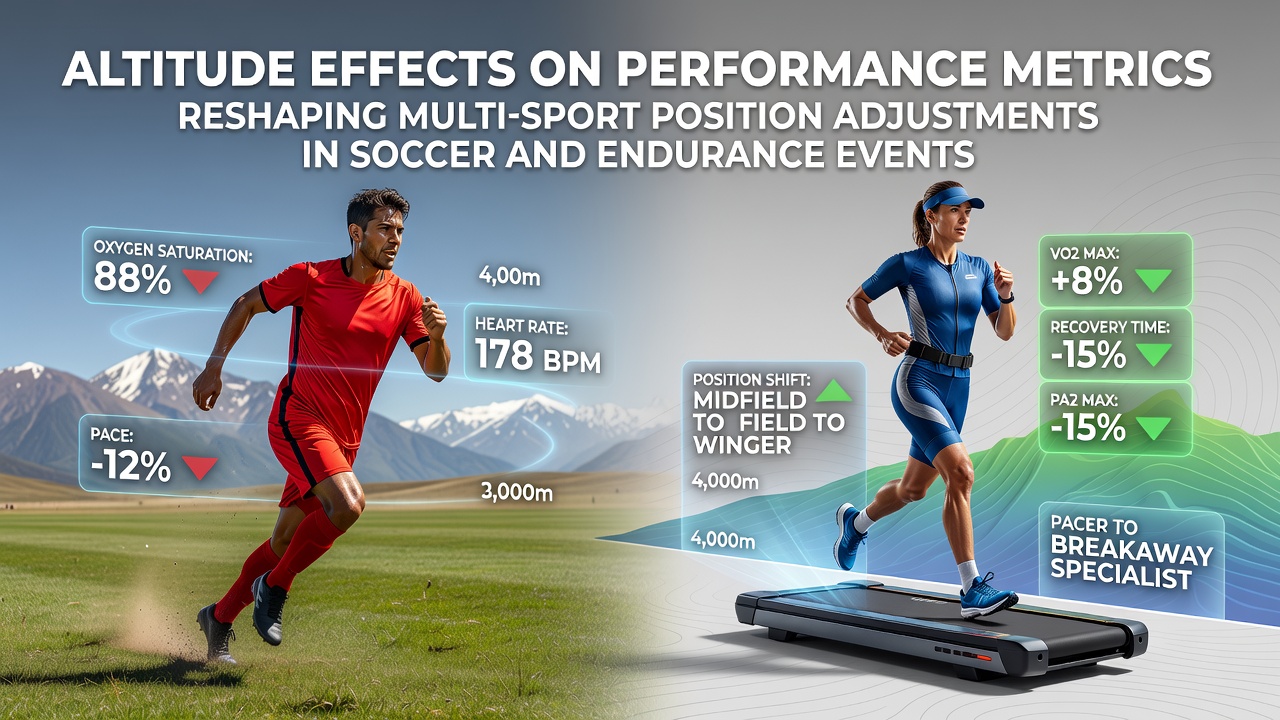
High-altitude environments alter oxygen availability and force measurable changes in athletic output across multiple disciplines, and researchers continue to track how these shifts prompt coaches to modify player positioning in soccer alongside pacing strategies in endurance events. Studies from institutions like the University of Colorado have documented declines in aerobic capacity that begin to appear above 1,500 meters, while anaerobic efforts experience comparatively smaller disruptions in the same conditions.
Physiological Responses to Reduced Oxygen
Lower partial pressure of oxygen triggers increased heart rate and ventilation rates within minutes of arrival at elevation, and blood oxygen saturation drops correspondingly as athletes ascend further. Data collected during controlled chamber simulations show that maximal oxygen uptake falls by roughly 7 to 10 percent for every 1,000 meters gained beyond sea level, although individual responses vary based on prior acclimatization. Hemoglobin concentration rises over days or weeks as the body produces additional red blood cells, yet this adaptation does not fully offset the initial performance decrement in prolonged activities.
Researchers note that soccer matches played above 2,000 meters produce distinct patterns in total distance covered and high-intensity running compared with lowland fixtures, and similar patterns emerge in endurance disciplines such as distance running and cycling. June 2026 preparations for several international competitions held at intermediate altitudes have already prompted teams to incorporate simulated altitude training blocks into their schedules.
Soccer-Specific Adjustments
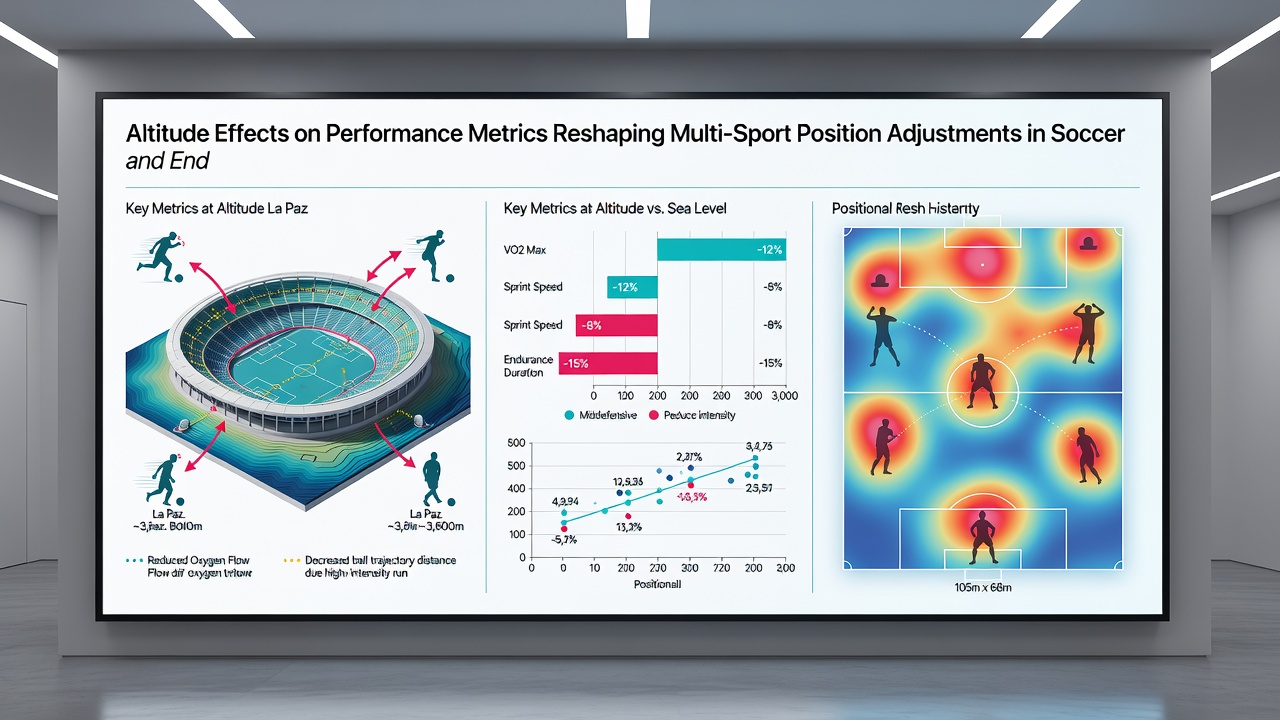
Coaches have begun reallocating player roles based on observed fatigue profiles at elevation, with central midfielders often tasked with shorter passing sequences and reduced pressing intensity to conserve energy stores. Fullbacks may tuck inward during build-up phases to limit the space they must cover at higher speeds, while forwards positioned higher up the pitch receive more direct service to capitalize on brief bursts rather than sustained runs. Match analysis from leagues that regularly schedule games in mountainous regions reveals a measurable increase in set-piece reliance and fewer transition attacks when teams operate above 1,800 meters.
Endurance Event Considerations
Marathon and ultra-distance events scheduled at altitude show pronounced slowing in the latter stages, and pacing algorithms used by elite athletes now incorporate elevation-adjusted expected splits derived from laboratory testing. Cyclists competing in stage races that climb above 2,500 meters adjust gear selection and cadence earlier in climbs because sustained power output declines faster than at sea level. Data from the Australian Institute of Sport indicate that elite endurance athletes require between 14 and 21 days of residence at moderate altitude before performance stabilizes, although some metrics continue to improve gradually beyond that window.
Cross-Discipline Position and Tactical Realignment
Multi-sport athletes who compete in both soccer and endurance formats face compounded demands when moving between environments, and training programs increasingly blend positional drills with altitude-specific endurance work. Soccer teams that also field athletes in cross-country or track events have started to rotate squad members more frequently during high-altitude tournaments to mitigate cumulative fatigue. Endurance specialists transitioning into soccer hybrids often occupy wider roles that allow recovery jogs between high-output moments rather than constant central involvement.
According to findings published by the International Olympic Committee, tactical software now integrates real-time oxygen saturation readings with GPS workload data to recommend on-field adjustments during matches. Teams in South American and African leagues, where many fixtures occur at elevations exceeding 2,000 meters, have refined substitution patterns that prioritize fresh legs in wide areas during the final 20 minutes.
Monitoring Tools and Future Scheduling
Wearable devices capable of tracking heart-rate variability and estimated blood oxygen levels provide coaches with objective markers for deciding when to alter formations mid-match. Federations in Canada and New Zealand have begun requiring altitude acclimatization declarations for visiting teams ahead of sanctioned events, creating standardized windows for adaptation. Longitudinal datasets compiled by university laboratories continue to refine models that predict how specific positions will be affected at given elevations, allowing more precise roster construction for tournaments that span multiple altitudes.
Conclusion
Altitude continues to reshape both the physiological limits and the tactical choices available to soccer squads and endurance competitors alike, and ongoing data collection supports increasingly targeted positional and pacing modifications. As more events schedule fixtures or stages at elevation, the integration of performance metrics with strategic planning is expected to deepen across both sports.