Wearable Data Flows Refining Multi-Event Planning Over Seasonal Cycles
Ellis Berger · Aug 27, 2026
Wearable Data Flows Refining Multi-Event Planning Over Seasonal Cycles
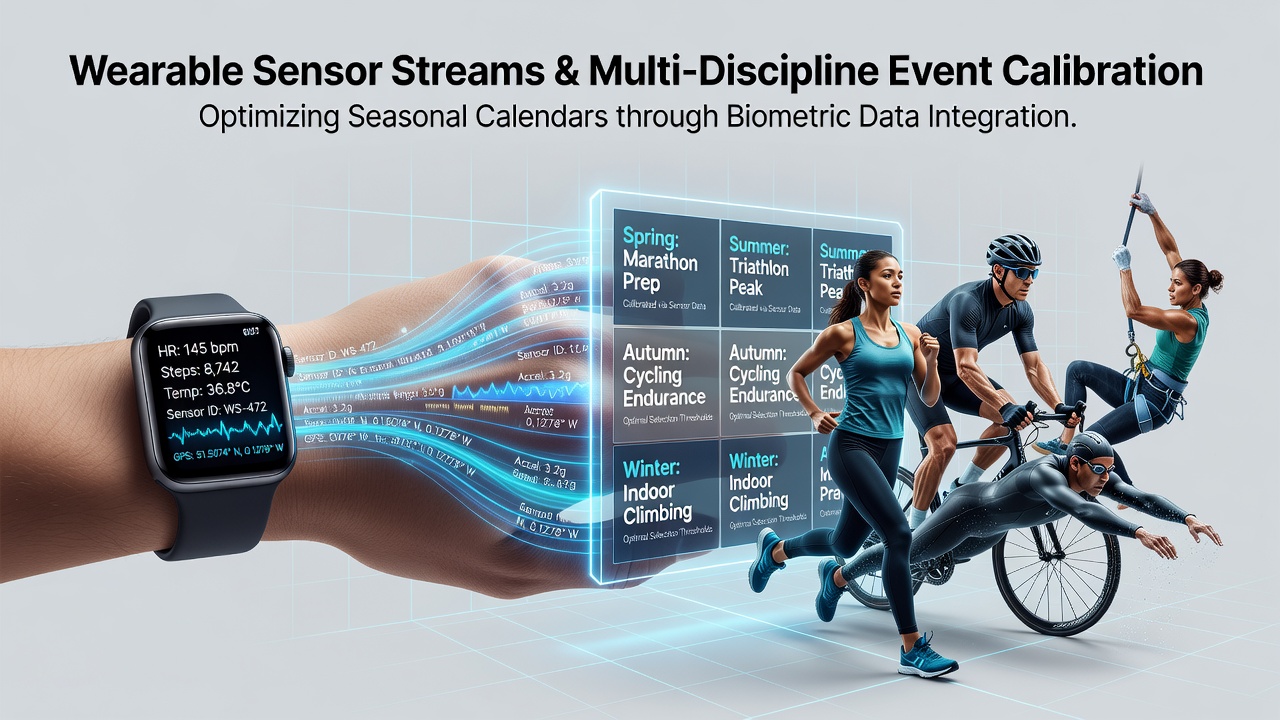
Researchers have documented how continuous streams from wearable devices now supply the raw inputs that adjust selections of events across football, tennis, horse racing and basketball calendars, with data points flowing into models that weigh athlete recovery metrics against fixture densities. These streams capture heart rate variability, acceleration loads and sleep patterns, and they feed into algorithms that recalibrate which competitions receive priority in any given month.
Core Components of Sensor Data Integration
Devices attached to players and jockeys generate time-stamped readings that combine with environmental variables such as temperature and track conditions, while teams merge those readings with historical performance databases to rank upcoming fixtures. Studies from sports science departments show that acceleration-derived workload scores rise sharply in congested schedules, prompting adjustments that shift focus toward lower-intensity events in the same discipline or across disciplines when recovery windows shrink.
Calibration occurs when software compares real-time biometric thresholds against pre-set seasonal targets, and the system flags events where cumulative fatigue indicators exceed safe bands. Observers note that this process repeats weekly, allowing selectors to swap one tennis tournament for another or to reroute a football squad away from midweek cup ties when sensor data indicate elevated injury probabilities.
Application Across Seasonal Multi-Discipline Calendars
Football leagues publish fixtures months in advance, yet wearable streams allow mid-season corrections when player data deviate from expected recovery curves. In parallel, horse racing trainers review gait sensors that track stride length and heart rate during morning gallops, then compare those figures against upcoming race distances and surfaces to decide which meetings fit the animal's current state. Tennis players follow similar protocols, with coaches using racket-mounted accelerometers and wrist-based recovery scores to decide between hard-court and clay-court events during the European swing that peaks in late spring and early summer.
August 2026 marks the point where several major leagues overlay sensor dashboards onto their scheduling software, enabling real-time swaps between domestic and European commitments for clubs that track squad-wide load metrics. Data from these integrated platforms reveal that teams using continuous streams reduce fixture-related performance drops by measurable margins compared with those relying on subjective reports alone.
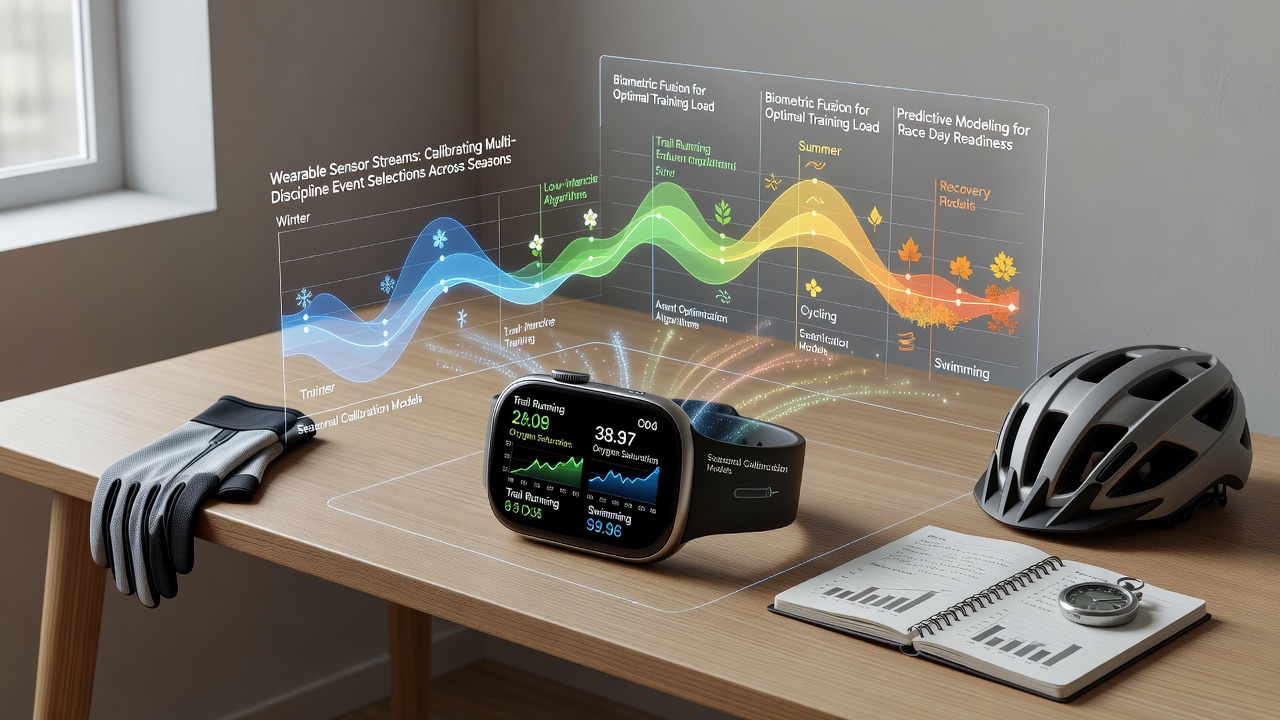
Cross-discipline calibration adds another layer when selectors balance a jockey's racing schedule against a football team's training camp or a tennis player's exhibition commitments. Algorithms weigh the distinct recovery demands of each sport, for instance comparing the eccentric loading of horse riding with the repeated sprint efforts of basketball, then output ranked lists of viable events for the coming quarter.
Evidence from Performance Monitoring Programs
Longitudinal studies conducted by European sports institutes indicate that athletes whose schedules incorporate sensor-guided adjustments maintain higher average output across an entire season than those following fixed calendars. The same research tracks how sleep efficiency scores collected nightly correlate with next-day decision accuracy in event selection meetings, showing tighter clustering of optimal choices when biometric data receive priority weighting.
Industry reports from bodies such as the Australian Institute of Sport further demonstrate that national programs using wearable streams achieve more stable performance curves during transition periods between seasons, particularly when athletes move between endurance-based and power-based disciplines. These findings align with data released by university research groups in North America that examined collegiate programs across multiple sports.
Technical Challenges and Standardization Efforts
Device interoperability remains an ongoing issue because different manufacturers output data in proprietary formats, requiring middleware layers that translate heart rate, GPS and gyroscope readings into unified schemas before calibration models can process them. Standards groups affiliated with the International Olympic Committee have begun publishing recommended data dictionaries that aim to reduce translation errors across platforms.
Privacy regulations also shape how streams travel from athlete to selector, with consent frameworks determining which granular metrics reach central databases and which stay siloed within club systems. Implementation varies by region, yet the underlying pattern shows increasing adoption of encrypted pipelines that preserve individual data ownership while still allowing aggregate trend analysis for calendar planning.
Conclusion
Wearable sensor streams now function as the primary calibration mechanism for aligning athlete availability with the demands of overlapping seasonal calendars that span multiple disciplines. Continuous data flows enable weekly recalibrations that account for recovery status, workload accumulation and environmental factors, producing ranked event lists that selectors apply across football, tennis, horse racing and basketball schedules. Evidence from monitoring programs and standardization initiatives indicates these methods stabilize performance metrics when applied consistently, and August 2026 represents a notable milestone where several leagues formalize sensor integration into official scheduling tools.